Aliyev Strikes Gold at Home as Baku Hosts European Deaf Judo Championships
Joshgun Aliyev won -60kg gold at the European Deaf Judo Championships in Baku on 11 November.
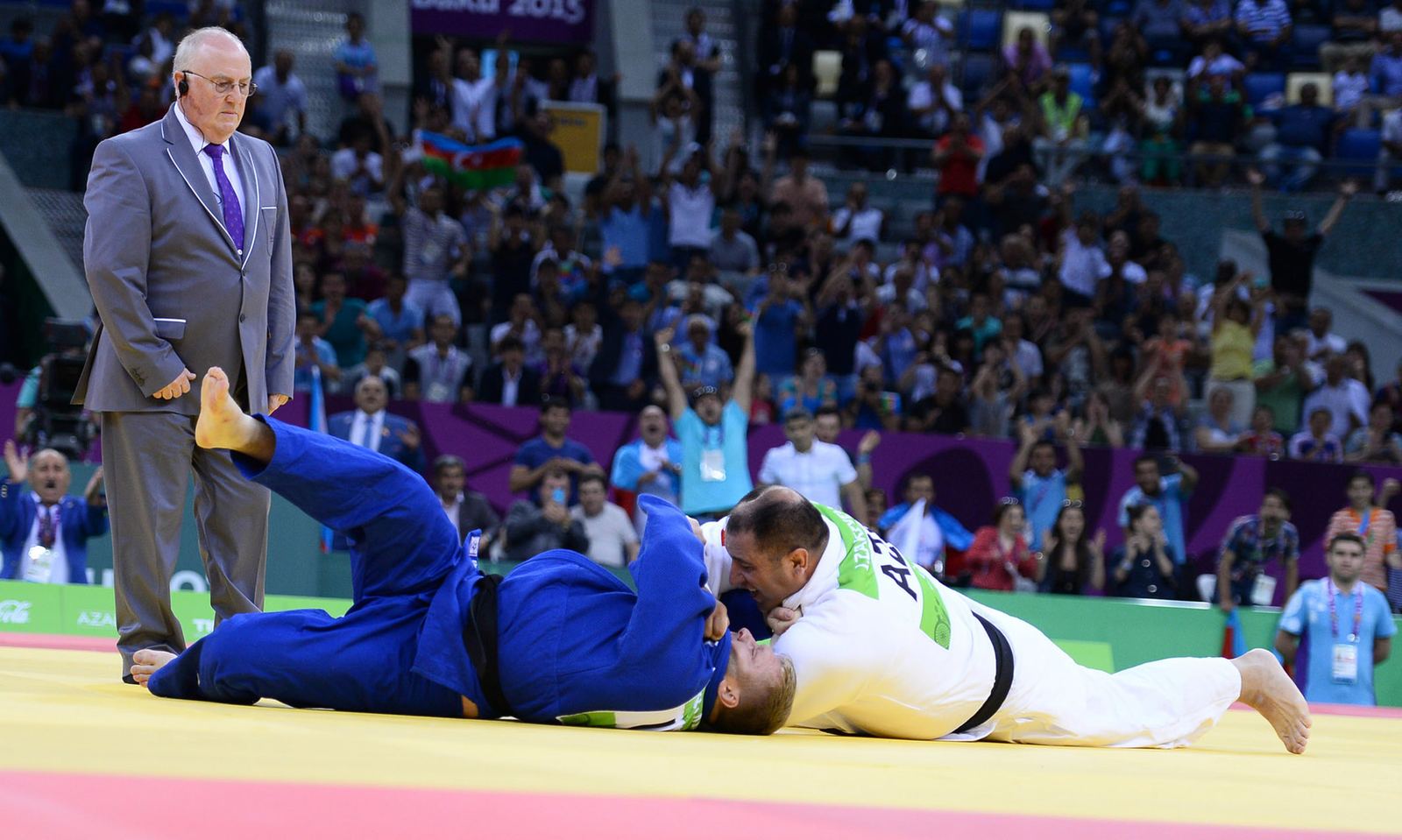
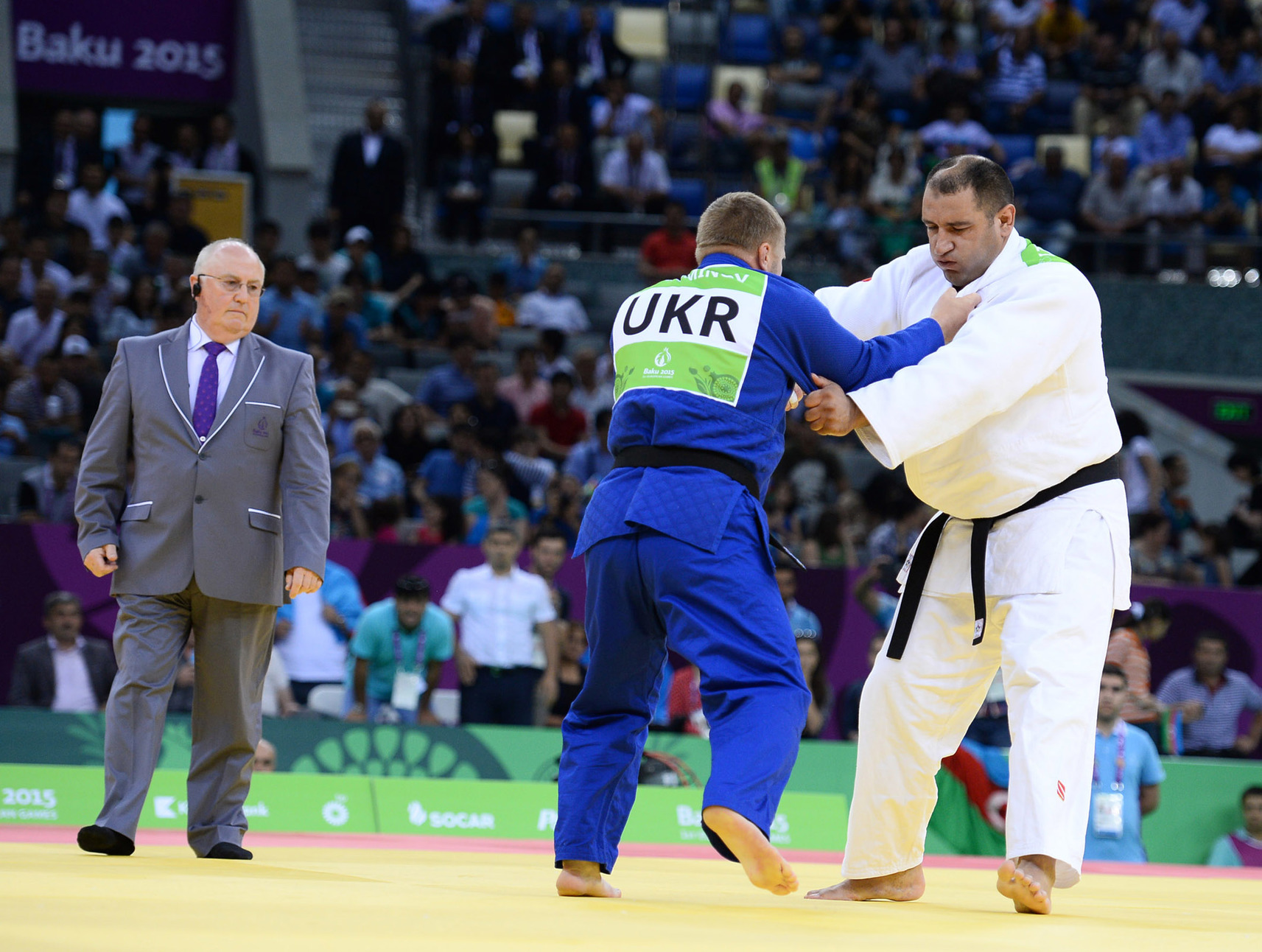
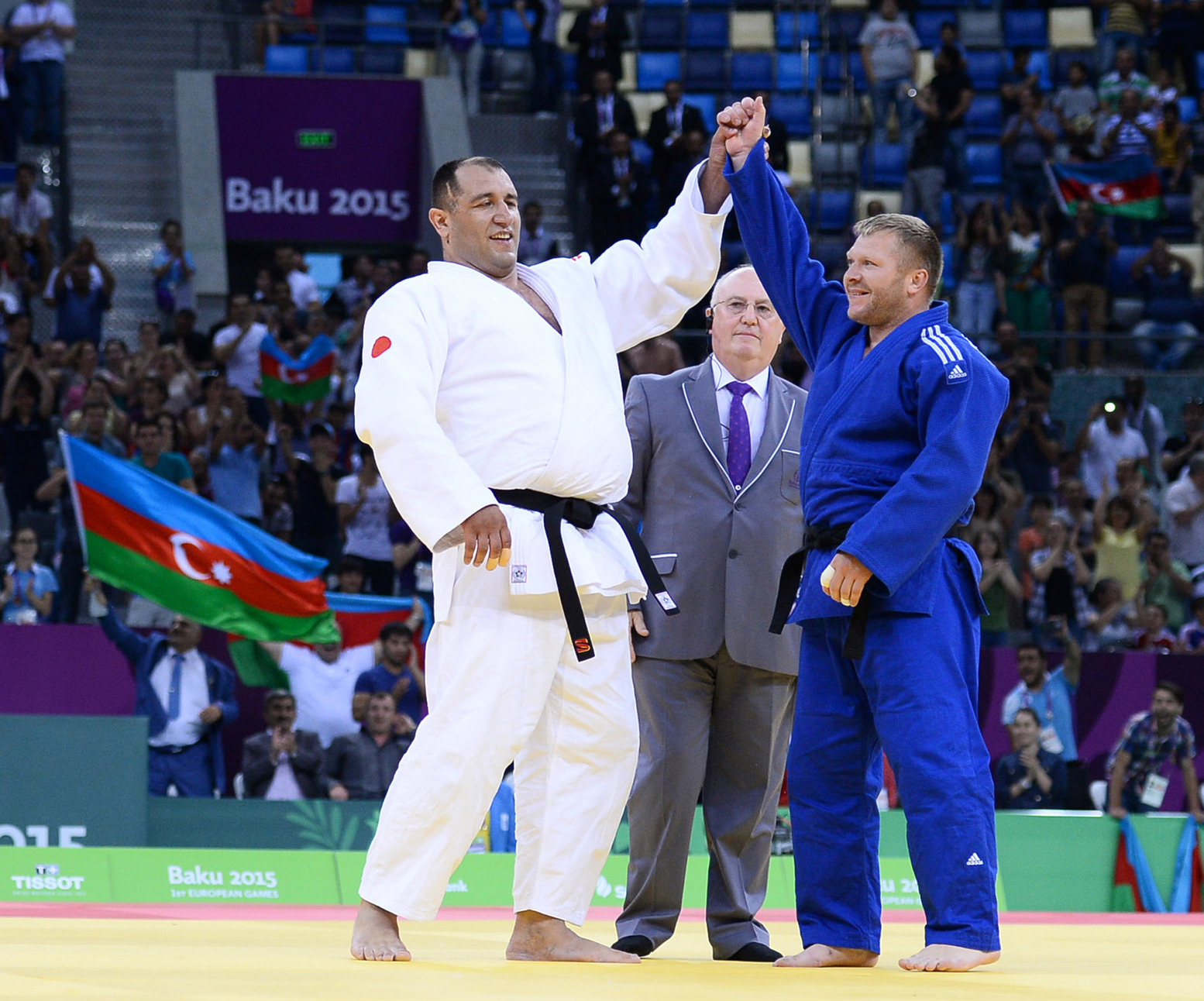
BAKU — Joshgun Aliyev gave the home crowd exactly what it came for on Tuesday, beating Poland's Jakub Glenski in the -60kg final to win gold on the opening day of the fifth European Deaf Judo Championships in Baku. The victory, confirmed by Azerbaijan's AZERTAC news agency on 11 November, made the host nation's leading deaf judoka a European champion in front of his own supporters, on the first day of a two-day championships that Azerbaijan is hosting for the first time.
A home gold on day one
Aliyev's gold was the headline result of the opening day in Baku, where nearly 80 judokas from 12 countries are competing across the men's and women's weight categories on 11 and 12 November. The -60kg division was decided first, and the Azerbaijani delivered, holding off Glenski in the final to take the top step of the podium. Reports of the final confirmed the result without publishing a score, but there was no doubt about the outcome: the home favourite won, and the championships had their first champion.
The setting mattered as much as the medal. Baku is staging the fifth edition of the European Deaf Judo Championships, and Azerbaijan is hosting the event for the first time. Preparations were coordinated through the National Olympic Committee, with Azerbaijan Deaflympic Committee secretary general Namig Novruzov and Hasanagha Rzayev, who heads the sports departments of both the National Olympic Committee and the Deaflympic Committee, involved in the planning. For a country whose deaf sports movement is still young on the international stage, opening the championships with a home gold was the ideal start.
From Tokyo silver to Baku gold
Aliyev's triumph in Baku completes a remarkable twelve months. In November 2025 he won Azerbaijan's first-ever Deaflympics medal, taking silver in the -60kg category at the 25th Summer Deaflympics in Tokyo. His run there was commanding: he beat Cho Jun-ho of South Korea in the round of 16, Josipi Tonžetić of Croatia in the quarter-finals, and Albert Westerhof of the Netherlands in the semi-finals, before losing the final to Brazil's Pedro Dantas. Yutaka Osugi, vice-president of the International Committee of Sports for the Deaf, presented him with the silver medal.
That defeat clearly stayed with him. Aliyev, who started judo at the age of five on his father's advice, said after Tokyo that his motivation had only grown, and that he had set himself the goal of becoming a European and world champion. At the Lausanne Deaf Judo Masters in August 2026 he took a step towards it, winning the -60kg title ahead of the same Pedro Dantas who had beaten him in the Tokyo final. Three months later, in Baku, he went one better still, turning the Deaflympics silver into a European gold.
His role model is familiar to every Azerbaijani judo fan: Hidayat Heydarov, the country's Olympic and world champion, whose fighting style Aliyev has followed closely throughout his career. The comparison is no longer fanciful. Heydarov set the standard for Azerbaijani judo on the biggest stages; Aliyev is now setting it in deaf judo, and doing so while carrying the profile of a sport that, in Azerbaijan, barely existed at international level before his Tokyo medal.
A sport growing fast
Deaf judo's international calendar has expanded quickly, and the IJF has given it a visible platform. The Lausanne Deaf Judo Masters in August brought together medallists from several continents at the Vaudoise Arena, running alongside the World Judo Tour and adapted judo events, with Kazakhstan emerging as the leading nation by winning seven of the twelve gold medals on offer. Azerbaijan opened the men's programme there with Aliyev's -60kg victory, while Dantas won for Brazil and Amadou Meite took the +100kg title for France.
The Deaflympics themselves are the second-oldest international multi-sport event in the world, and judo has become one of its showcase sports, with more than 3,000 athletes competing at the Tokyo Games; Azerbaijan sent a 20-strong delegation across six sports.
That depth is now on show in Baku. Twelve nations and nearly 80 athletes is a strong field for a fifth edition, and the presence of established deaf judo nations alongside hosts who are still building their programme underlines how far the sport has come.
What comes next
The championships continue on Wednesday, 12 November, with the remaining weight categories to be decided, and the host nation will hope Aliyev's gold is the first of several home medals rather than a one-off. For Aliyev himself, the next target is clear: he has now won the European title he promised himself after Tokyo, and the world title is the one remaining gap on his record.
There is also a wider significance to a home gold in Baku. Azerbaijan's deaf sports movement took its first steps onto the international stage only last year, and Aliyev has become its most recognisable face almost overnight. A European title won at home, in front of the officials and supporters who backed the bid to host, gives the Azerbaijan Deaflympic Committee something concrete to build on. If the second day in Baku produces more home success, the 2026 championships may be remembered as the moment deaf judo truly arrived in Azerbaijan.
Sources
Get SportsBriefly News
No spam · Unsubscribe anytime
Mentions
- Wrestling & Judo
Frascadore and Biron lead Canadian gold rush at record Montreal Panamerican Open
Canada's Julien Frascadore and Laurence Biron won home golds at a record Montreal Panamerican Open, while Venezuela's Elvismar Rodriguez and Poland's Urszula Hofman denied the favourites in the women's heavyweight finals.
- Wrestling & Judo
Senegal's beach wrestlers strike triple gold as the sport makes its Olympic debut at Dakar 2026
Hosts Senegal won three beach wrestling gold medals at the Dakar 2026 Youth Olympic Games as the sport made its historic Olympic debut on Saly Beach.
- Wrestling & Judo
Russia End Seven-Year Wait to Claim European Mixed Team Judo Crown in Belgrade
Russia beat Georgia 4-1 in Belgrade to win the European mixed team judo title.
- Wrestling & Judo
Burnett Stuns Richards as US Wins Nine Farrell Titles
Grey Burnett stunned top seed Zane Richards 13-3 to win the 57 kg title at the Bill Farrell Memorial.
- Wrestling & Judo
Bouzakis and Hildebrandt Storm Into Bill Farrell Finals
Olympic champion Sarah Hildebrandt and Jaclyn Bouzakis reached the women's freestyle finals at the 2026 Bill Farrell Memorial in New York.
- Wrestling & Judo
Zhumanazarova climbs to No. 1 in UWW world rankings
Meerim Zhumanazarova is the new world No. 1 at women's 68kg after her silver at the World Championships in Astana.
Discussion · 0
Be kind. No spam, slurs, or links farms.