FIA circulates turbo-hybrid V8 proposal for 2030 or 2031
The FIA has sent manufacturers a formal V8 framework for 2030 or 2031.
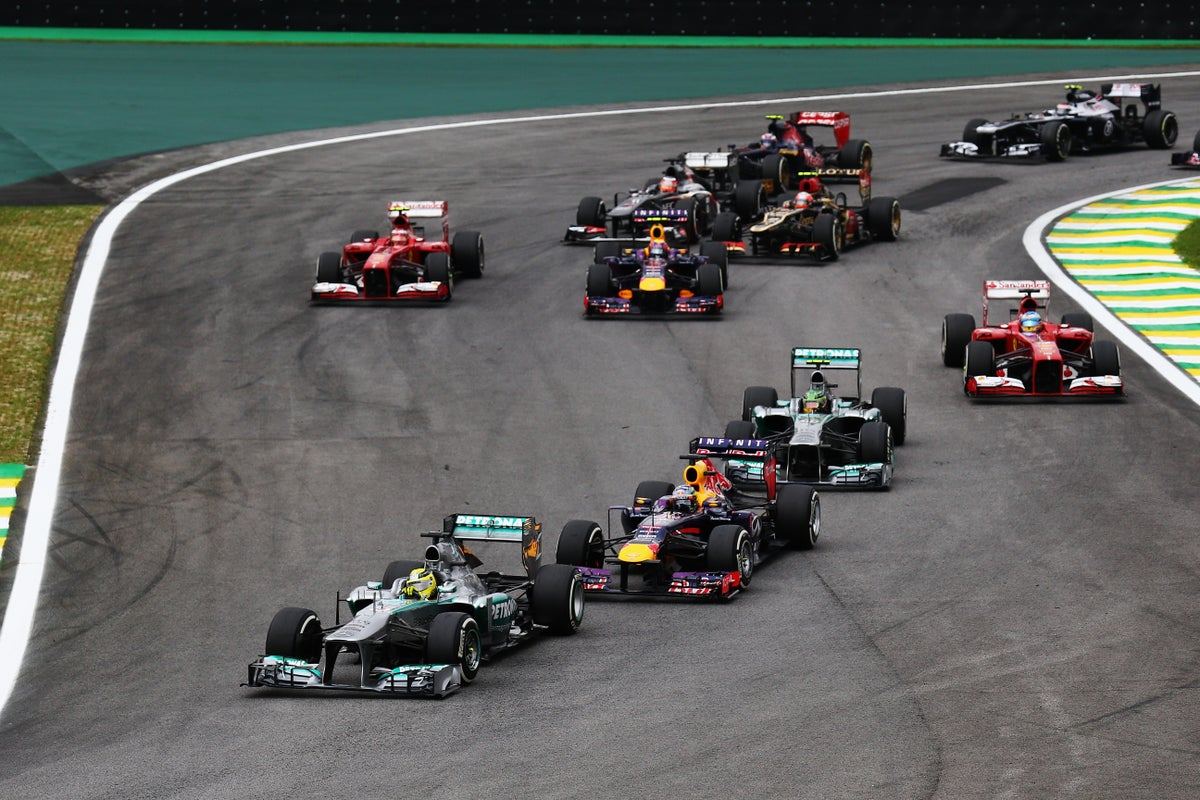
Formula 1 has taken its clearest step yet towards bringing back the V8, with the FIA circulating a formal proposal for turbocharged hybrid V8 engines that could arrive in 2030 or 2031. The document, reported by BBC Sport and picked up by multiple outlets on 27 and 28 October 2026, does not settle the next rules cycle. It turns a long-running talking point into a concrete framework for negotiation between the governing body and the sport's six power-unit manufacturers. It is not yet a regulation, and it is not a return to the screaming, naturally aspirated V8s of 2006 to 2013. It is a proposal, written after individual consultation with each manufacturer and now set for collective debate, with the FIA aiming for agreement in time for its World Motor Sport Council meeting in December.
A compromise, not a revival
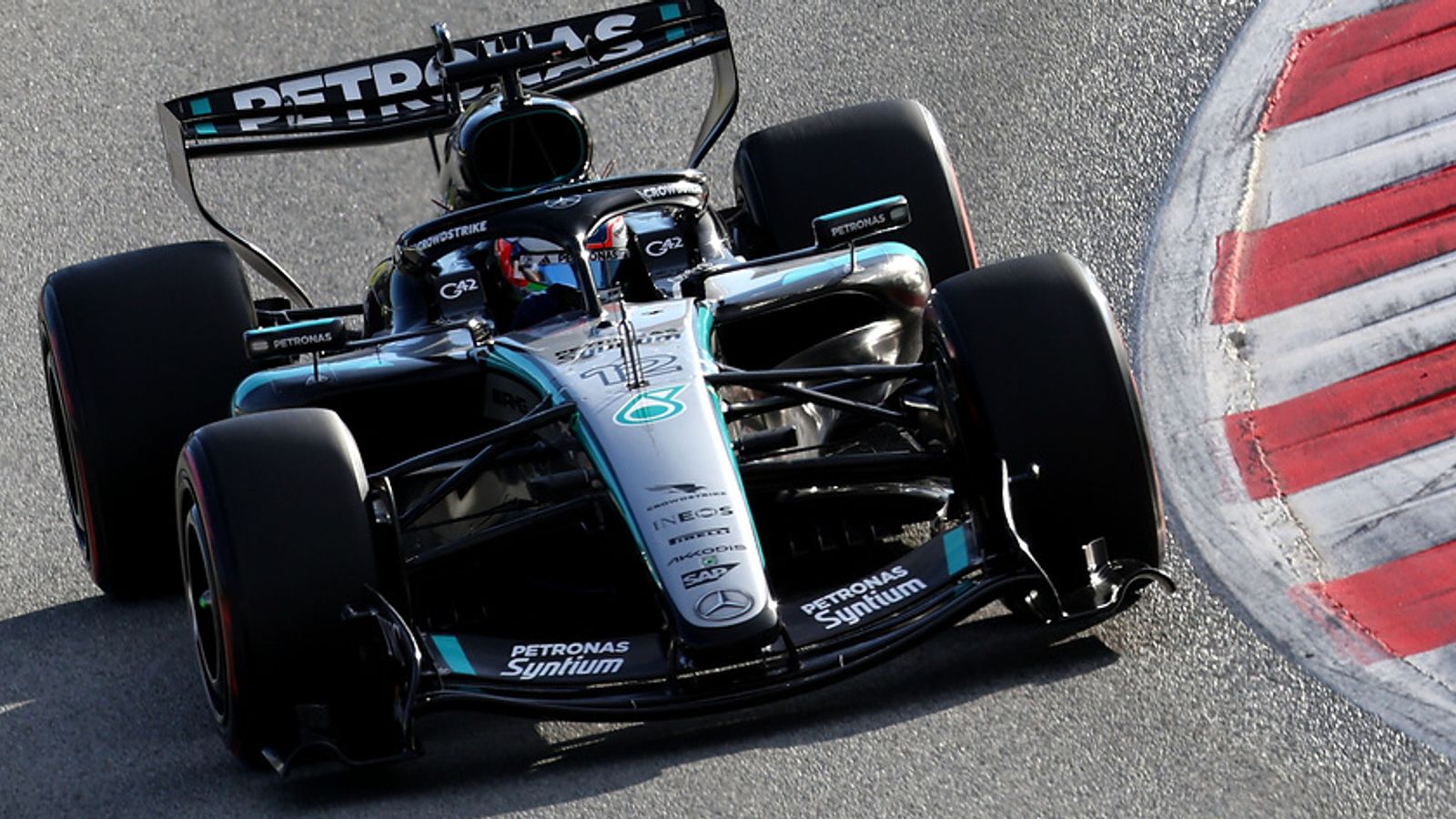
The most important compromise is already visible in the architecture. FIA president Mohammed Ben Sulayem had long championed a simpler, louder engine, and at one stage a naturally aspirated V8 looked like his preferred route. That idea has not survived contact with the manufacturers. Audi made clear early that it would not accept an engine without a turbocharger, while Mercedes was similarly committed to retaining some form of hybrid system. The result keeps both, but weakens both.
Under the proposal, the V8 would displace between 2.0 and 2.3 litres, use a smaller turbocharger running at reduced boost pressure, and sit alongside a much smaller electrical system than the one introduced in 2026. Reports of the BBC document put the hybrid contribution at 200 kilowatts in total, down from 350 kilowatts today. Of that, 100 kilowatts would be available continuously, with a further 100 kilowatts reserved for a push-to-pass or overtaking mode. Several summaries put the combustion engine itself at around 900 brake horsepower, underlining the intended shift: the engine, rather than the battery, would again do most of the work. The proposal also keeps fully sustainable fuels, while seeking to simplify their requirements and reduce production costs.
Lighter cars, lower costs, louder argument
Weight is the second headline. The FIA wants the next generation of cars to be around 80 kilograms lighter, with much of the saving coming from a smaller turbo, a smaller battery and other dimensional constraints. The current minimum weight is 768 kilograms, down from a peak of 800 kilograms last year, and Fox Sports' reporting says the governing body is targeting a minimum below 700 kilograms for the next regulations.
Cost is the third pillar. The proposal suggests cutting the engine budget cap by as much as half, from its current level of 190 million dollars, with Fox Sports reporting a target of 135 million dollars. Any transition would need to be phased, because manufacturers would be developing a new power unit while still upgrading the current one. The stated aim is clear: simpler engines should be cheaper to design, build and run, and therefore easier for a new manufacturer to enter.
That logic explains the manufacturers' reported reaction: broadly supportive in principle, but resistant on one specific point. The FIA document reportedly includes the option of a highly standardised baseline power unit, designed and supplied externally, which manufacturers could then modify only within limits. The manufacturers are reported to be united against that idea. They want to design their own engines and keep power-unit performance as a competitive differentiator.
The six manufacturers in the discussion are Mercedes, Ferrari, Red Bull-Ford, Audi, Honda and General Motors, with Cadillac planning its own works engine by the end of the decade. Bringing the new rules forward to 2030, rather than waiting until 2031, would require manufacturer support; otherwise the FIA can force the change for 2031. Ben Sulayem has previously said he wants 2030, and he repeated that ambition at the launch of the African Grand Prix in Rwanda earlier in October. The new document does not by itself guarantee that date.
Why the current rules forced the debate
The timing is not accidental. The 2026 regulations introduced a roughly even split between combustion and electrical power, with the MGU-K capable of delivering 350 kilowatts and the MGU-H removed. In practice, drivers have complained that races too often become exercises in battery management, with lift-and-coast driving and energy saving intruding on wheel-to-wheel racing. Max Verstappen described the new rules in stark terms early in the season, Lando Norris acknowledged that overtaking could feel artificial, and Fernando Alonso labelled the formula a battery championship, according to reports summarised on 28 October. Those are not new quotations from this week, but they explain why the debate has moved so quickly from theory to a circulated document.
A V8 with a smaller hybrid system would not automatically solve every problem. Noise restrictions at street circuits are one reason a naturally aspirated engine was judged impractical, and a smaller battery raises questions about whether a push-to-pass mode can feel like genuine racing rather than another artificial aid. The proposal's answer is to make the hybrid a tool for passing, not a second engine that must be managed for an entire lap. For fans, the appeal is obvious: more noise, lighter cars and a greater emphasis on driver skill. For manufacturers, the calculation is harder, because they have only just invested in the 2026 power units. What has changed on 27 and 28 October is the status of the V8 idea itself. It is no longer only a presidential preference or a paddock rumour. It is a document on manufacturers' desks, with numbers attached, a timetable attached, and a decision point approaching.
Sources
Get SportsBriefly News
No spam · Unsubscribe anytime
Mentions
- Motorsports
Dakar 2027 leaves Saudi Arabia, putting Formula 1's Gulf finale under fresh scrutiny
The FIA and Dakar organiser ASO have confirmed the 2027 rally will move from Saudi Arabia, returning in 2028 — and the spotlight now falls on Qatar and Abu Dhabi.
- Motorsports
Kyle Larson's last-lap miracle at Talladega puts a third NASCAR title within reach
From 11th on the final lap to Victory Lane, Kyle Larson ends his superspeedway drought in a photo finish that reshapes the NASCAR championship.
- Motorsports
No race, just a farewell lap: rain cancels Phillip Island's final MotoGP
Poor visibility grounded the medical helicopter, so MotoGP, Moto2 and Moto3 were all called off on Sunday — ending Phillip Island's 29-year run as Australian GP host without a final race, and freezing Marc Márquez's 10-point championship lead over injured Jorge Martín.
- Motorsports
Marc Marquez wins Phillip Island sprint as Martin crash hands him MotoGP lead
Marc Marquez won a ferocious 13-lap Phillip Island sprint after Jorge Martin crashed at Turn 8, turning a two-point deficit into a 10-point championship lead — with Martin ruled out of Sunday's race with a fractured wrist.
- Motorsports
Antonelli's First Match Point: F1's 20-Year-Old Prodigy Can Seal the Title in Austin
Kimi Antonelli holds his first championship match point at Sunday's United States Grand Prix. A win, with Russell ninth or lower and Hamilton fifth or lower, would make him the youngest champion in Formula 1 history — and Italy's first since Alberto Ascari in 1953.
- Motorsports
NASCAR's Talladega Wildcard: Larson's Five-Point Lead Meets 'The Big One'
Kyle Larson's Chase lead shrank from 49 points to five after a wild Phoenix weekend. Now the 2026 NASCAR title fight heads to Talladega's high banks -- the one track where every contender can lose everything in a single lap.
Discussion · 0
Be kind. No spam, slurs, or links farms.